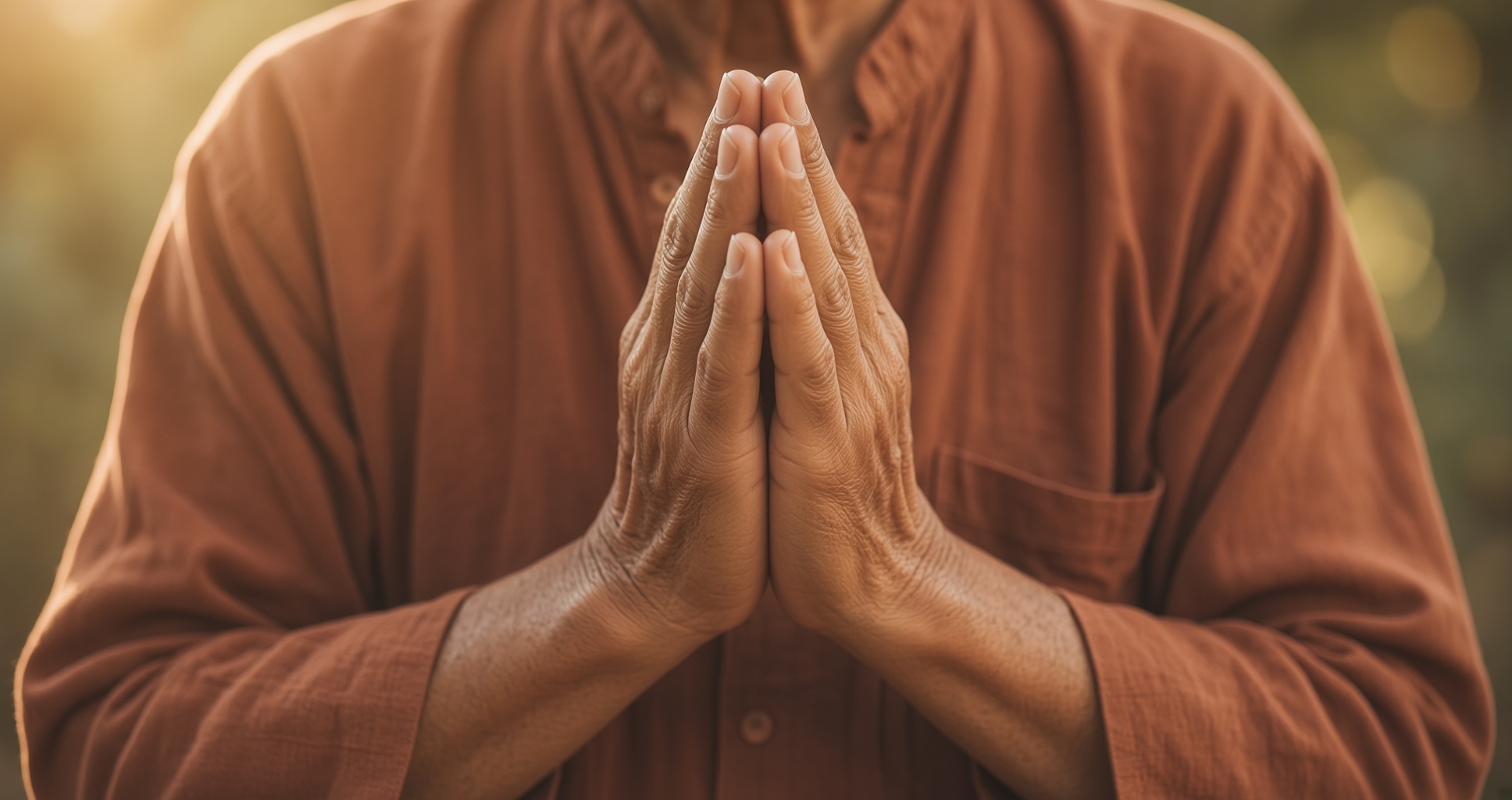
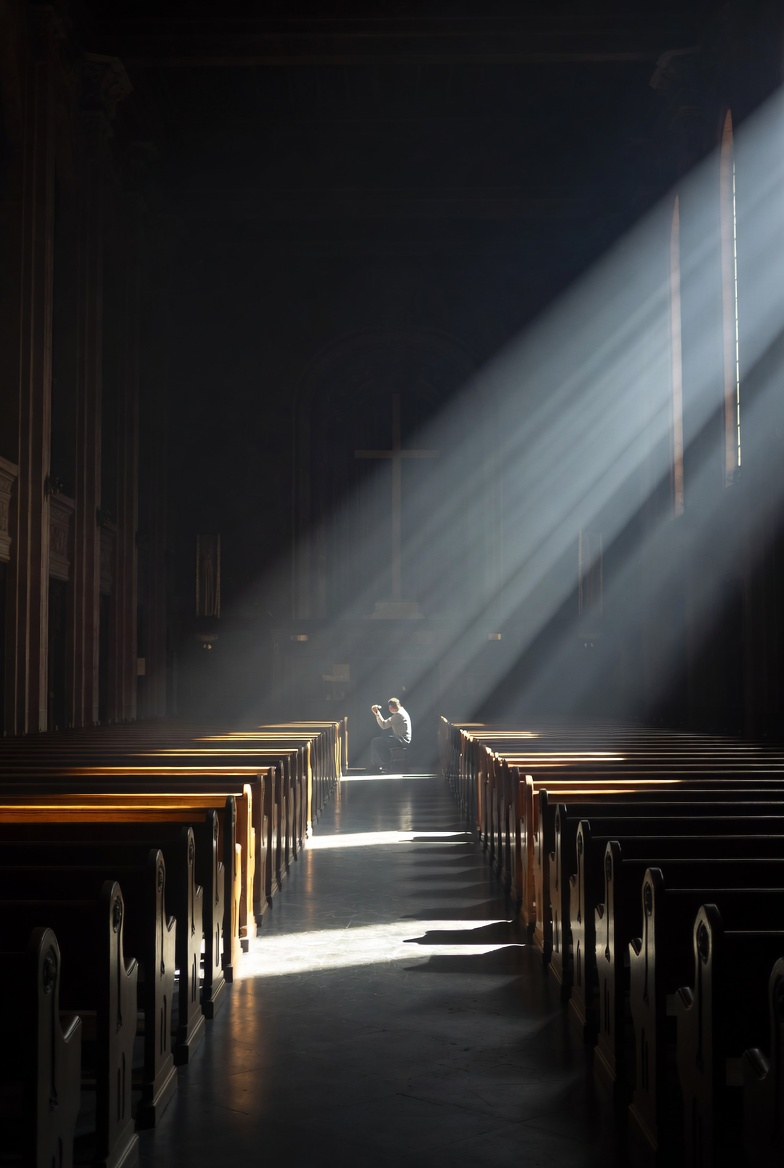
Many people begin a practice of contemplative prayer with sincere desire, only to find that the very habits they bring to the practice quietly undo it. The goal of contemplative prayer is not to produce a spiritual high, achieve a checklist of intentions, or manufacture a certain feeling. It is to rest in the presence of God with a quieted mind and an open heart. Several common bad habits make that nearly impossible.
Fixating on the Result
One of the most destructive habits is concentrating on the outcome you hope to experience. The moment the mind begins calculating whether the session is “working,” whether you feel closer to God, or whether the peace you expected has arrived, the practice collapses. Contemplative prayer is not a performance measured by results. The more tightly you grip the desired experience, the more completely it slips away. The attention that should rest in simple presence is spent instead on monitoring progress. That monitoring itself becomes the obstacle.
Fighting the Body Instead of Settling It
Another frequent problem is continuous movement and struggle with posture. Many people assume the most comfortable position is lying down. For most, that position is an invitation to sleep rather than prayer. A better starting point is an upright, supported posture: sitting in a chair with a straight but relaxed back, or seated on the floor with the legs crossed if that is sustainable. The body should be still enough that it does not keep demanding attention, yet alert enough that drowsiness does not take over. Constant shifting, adjusting, and negotiating with discomfort keeps the mind locked on the body instead of free for prayer.
Remaining Trapped Inside the Stream of Thoughts
A third habit is mistaking mental activity for contemplative prayer. Many people sit down intending to pray and then spend the entire time thinking about the people or situations they are “praying for,” reviewing yesterdays events, planning tomorrow, or rehearsing spiritual goals. This is ordinary thinking dressed up as prayer. True contemplative prayer requires a deliberate willingness to let those thoughts pass without following them. The goal is not to generate more content about God or about one’s concerns; it is to consent to God’s presence beyond the content. As long as the mind remains busy composing thoughts about prayer, it has not yet entered prayer.
Practicing Without Clear Intent
Regular practice without clear purpose is another quiet failure. Showing up day after day is necessary, but showing up without a distinct intention turns the time into empty repetition. The intention does not need to be elaborate or dramatic. It can be as simple and direct as the desire for communion with Christ, the willingness to be present to God, or the quiet consent to receive whatever God gives in that time. Without some such orienting purpose, the practice easily becomes either rote or self-focused. Clarity of intent keeps the heart pointed in the right direction even when the mind is restless.
Choosing a Setting That Guarantees Distraction
Finally, many people schedule their practice in environments that almost guarantee interruption. Attempting contemplative prayer while family members are moving around the house, while children need attention, or in a workplace full of noise and demands is usually an exercise in frustration. The external conditions do not have to be perfect, but they should be realistically free enough that the mind is not constantly pulled outward. Choosing a time and place that repeatedly collide with distraction teaches the mind that this practice is secondary and easily abandoned.
These habits are common because they feel natural. The mind prefers results, the body prefers comfort, thoughts prefer to keep talking, and life prefers to stay busy. Contemplative prayer asks for something quieter and more radical: the willingness to sit still, release the demand for experience, let thoughts pass, hold a simple intention, and protect a modest space of silence. When those conditions are present, the practice can begin to do its real work.