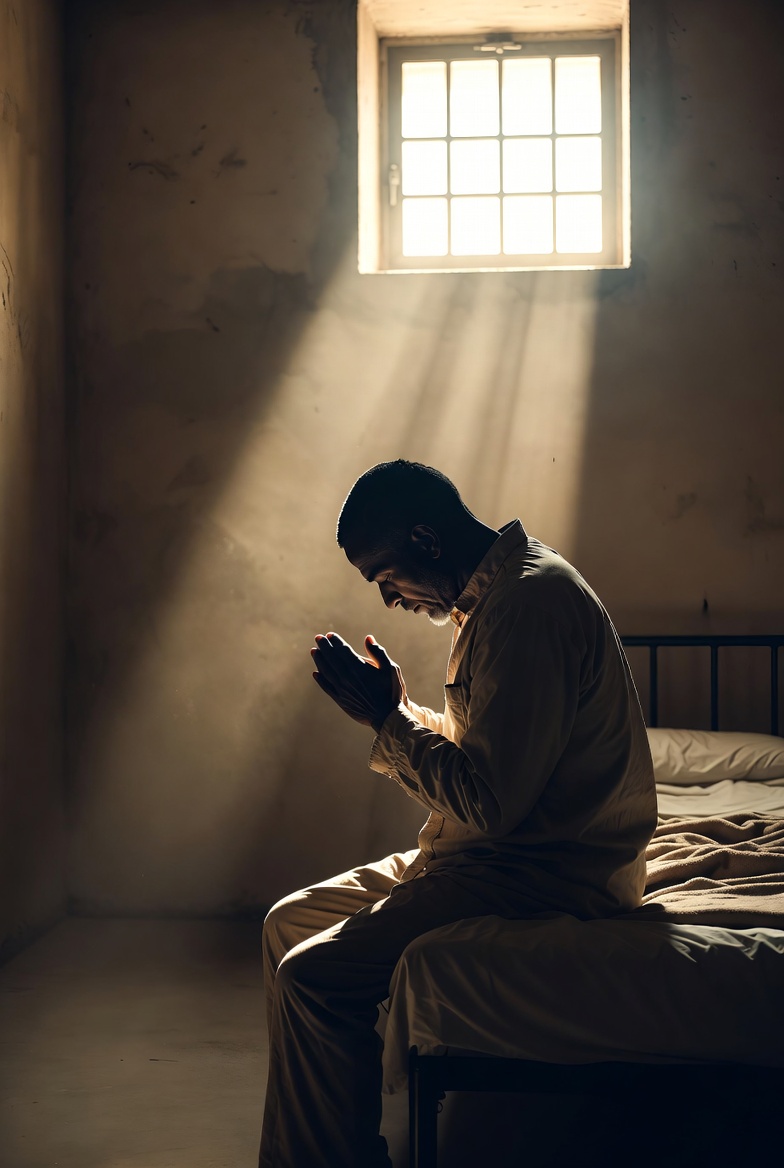
“Trust in the Lord with all your heart and lean not on your own understanding; in all your ways submit to him, and he will make your paths straight.” — Proverbs 3:5-6
There are seasons in the spiritual life when the path ahead is unclear. We may sense an invitation from God, yet we cannot see where it leads or what it will require of us. In these moments, the temptation is to demand clarity before we take the next step. Scripture, however, calls us to a different posture: trust that does not depend on full understanding.
This kind of trust becomes especially real when we begin practicing spiritual disciplines for the first time.
Stepping into the Unknown
Consider someone who has never practiced prayerful meditation, extended silence, or intentional solitude. The first time they sit in stillness, questions naturally arise. What am I supposed to feel? Am I doing this correctly? Why does my mind keep wandering? Is anything actually happening?
These questions are normal. Beginning a new spiritual practice often feels uncertain because we are entering territory we cannot fully control or predict. We do not know how the practice will affect us, what interior movements it may stir, or how it will slowly reshape the way we see our lives.
In these early stages, leaning on our own understanding can become a hindrance. We may judge the practice too quickly by whether it produces immediate results or pleasant feelings. Yet the contemplative path asks us to remain present even when the outcome is not yet clear.
The Role of a Spiritual Director
This is one of the reasons spiritual direction is so valuable. A trusted spiritual director or instructor can walk with us when the path feels unfamiliar. They can answer practical questions about the disciplines, help us understand common experiences that arise in prayer, and offer perspective when we feel confused or discouraged.
A good director does not remove the need for trust. Instead, they help us practice trust more wisely. They remind us that dryness, distraction, or unexpected emotions are often part of the process rather than signs of failure. They help us distinguish between healthy surrender and passive resignation. In short, they become a steady companion while we learn to keep walking without seeing the entire road.
How Trust Begins to Bear Fruit
Over time, the outcomes of these practices often reveal themselves in quiet and unexpected ways. A person may notice a growing capacity to remain present in difficult conversations. They may find themselves less reactive to stress. Old patterns of fear or control may begin to loosen. A deeper sense of God’s nearness may emerge—not always as strong emotion, but as a steady undercurrent of peace or clarity.
These fruits rarely arrive on our timetable. They unfold as we continue showing up to the practice, trusting that God is at work even when we cannot measure or explain it. The path becomes clearer not because we finally understand everything, but because we have learned to walk it with God.
An Invitation to Trust
Trusting God when we do not understand the path is not a one-time decision. It is a repeated choice—especially when we step into new spiritual disciplines and cannot yet see what they will produce. In those moments, we are invited to rely not only on our own limited insight, but on the guidance of those who have walked farther along the way, and ultimately on the faithfulness of Christ, the One who calls us forward.